

How Neuro-acupuncture Works on Neurological Diseases
In-depth Palpation Guided Acupuncture (iPGA) Approach
The Connection of Central Nervous System (CNS) and Peripheral Nervous System (PNS) in Neurological Diseases
Neurological diseases include a broad spectrum of disorders that impact the structure or function of the CNS and PNS. 1 The CNS and PNS are closely interconnected and work together to coordinate body functions. The CNS, consisting of the brain and spinal cord, processes and integrates information, while the PNS branch directly from CNS, forms bidirectional communication with the CNS and the rest of the body by transmitting sensory input to the CNS and carrying motor commands from it to organs and other systems.2-4 Due to the interconnection, CNS neurological conditions can affect the PNS and vice versa.2
Brief Understanding of Central Nervous System (CNS) Disorders
With multifactorial and dynamic pathogenesis, CNS diseases encompass a diverse and complex array of disorders which can lead to serious clinical consequences, including impairment in functions such as language, movement, sensory, behaviour, cognitive and memory.5-8 This often involves neurodegenerative diseases (e.g. Alzheimer’s disease, Parkinson’s disease), cerebrovascular disorders (e.g. ischemic and hemorrhagic stroke), demyelinating diseases (e.g. multiple sclerosis (MS)), movement disorders (e.g. Tourette syndrome, cerebellar ataxia, dystonia), epilepsy and seizure disorders.1
Nerve Impingement or Compression in Peripheral Nervous System (PNS)
Nerves travel alongside muscles, tendons, bones, and ligaments, meanwhile it needs enough room to slide and move. Nerve impingement can be caused by any pressure, swelling, or narrowing in these surrounding structures as the position or characteristics of surrounding tissues may alter.9,10 This happens often due to injury, repetitive motions, poor posture, inflammation, or age-related disc degeneration, and may affect any nerve path in the body.11-14 As the pressure interferes with nerve function, nerve signals will be disrupted, causing pain, tingling, or numbness.15 If left untreated, this condition may worsen, further persistent yet severe nerve compression may cause nerve damage and ultimately disability. 11
How Acupuncture Works?
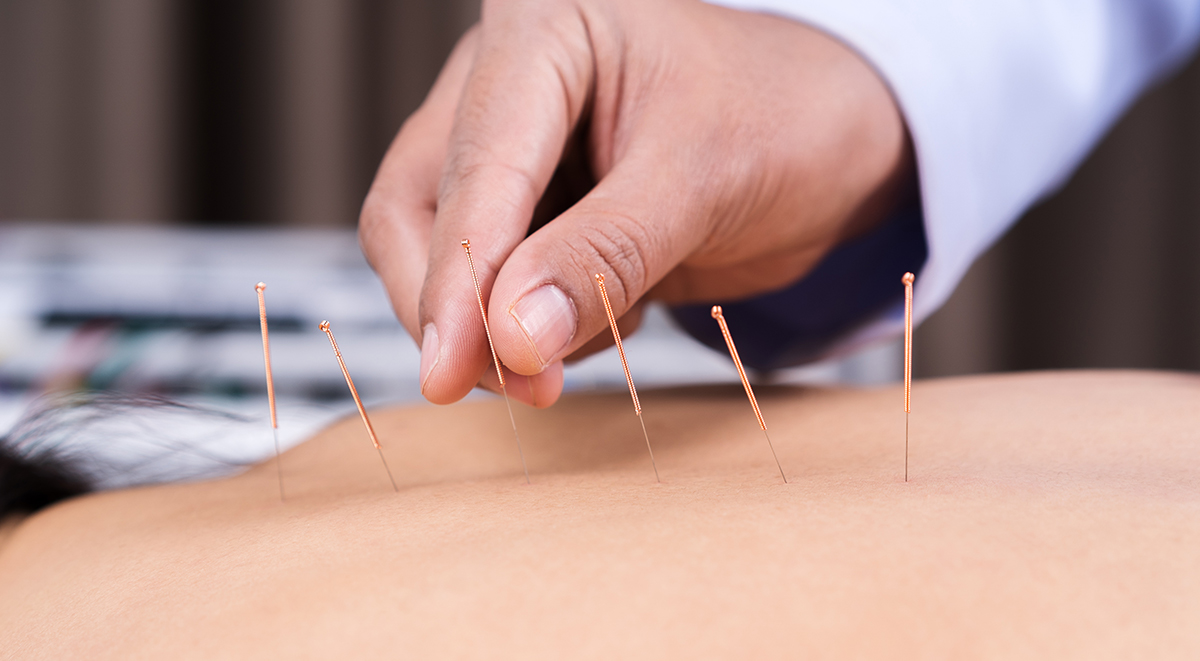
Acupuncture is proven to be an effective treatment modality towards nerve related problems.16 Researches have shown that acupuncture promotes nerve regeneration and repair.16,17 While enhancing circulation, acupuncture helps reduce inflammation and regulates body fluid homeostasis, leading to reduction of tissue swelling.18-20 Furthermore, acupuncture facilitates tissue remodelling,16 as needle insertion and stimulation triggers the biomechanical response of different tissue layers21 along with release of soft tissue adhesions and contractures through the use of different acupuncture technique.22
Why Use In-depth Palpation Guided Acupuncture (iPGA)?
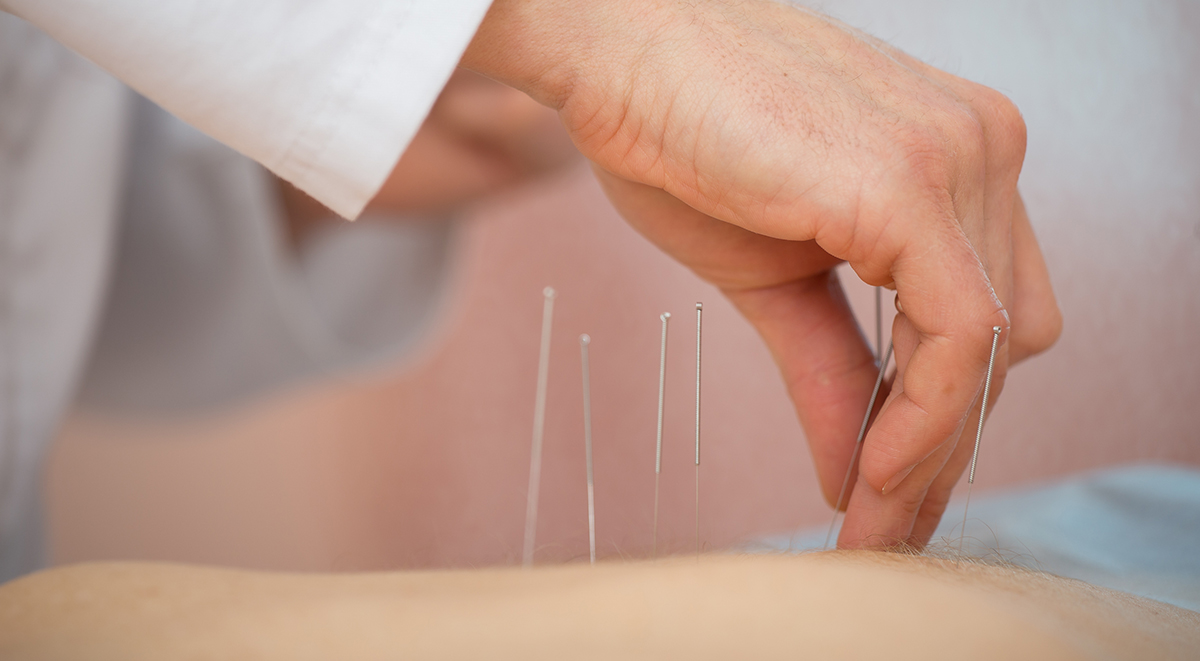
iPGA works as an improved version of traditional acupuncture which effectively identifies the hidden root cause of the disease and provides a clearer understanding of the patient’s condition. Although with the similar symptomatic site, the pathological location and factors that cause the neurological condition vary from person to person due to different body constitution. The combination of iPGA with individual examination results allows the practitioner to understand the pathological characteristics of different patients and to develop higher precise treatments rather than relying solely on standardized treatments and acupoints. With iPGA, we aim to provide long term recovery.
Treatment

- In-depth Palpation Guided Acupuncture(iPGA)

- Neuromuscular system , Spinal Nerves , Bone & Soft tissues maneuver.

- In-depth Palpation Guided Prescription (iPGP)

- Thermotherapy
HAN Neuro Acupuncture & Herbal specialists provides treatment involving co-acupuncture, manipulation and Chinese herbal medicine in accordance to Micro Perception in-Depth (MPID). Clinically, it is shown to improve or regain patients’ normal state.
- Hazin, A. (2024). Pathophysiology of neurological diseases and its diagnosis and management. Journal of Contemporary Medical Education, 14(02), 01–02. https://www.jcmedu.org/jcmedu-articles/pathophysiology-of-neurological-diseases-and-its-diagnosis-and-management-106201.html
- Townsend, K. L. (2024). One nervous system: Critical links between central and peripheral nervous system health and implications for obesity and diabetes. Diabetes, 73(12), 1967–1975. https://doi.org/10.2337/db24-XXXX
- Kaiser JT, Lugo-Pico JG. Neuroanatomy, Spinal Nerves. [Updated 2023 Aug 14]. In: StatPearls [Internet]. Treasure Island (FL): StatPearls Publishing; 2025 Jan-. Available from: https://www.ncbi.nlm.nih.gov/books/NBK542218/
- Shahriari D, Rosenfeld D, Anikeeva P. Emerging Frontier of Peripheral Nerve and Organ Interfaces. Neuron. 2020 Oct 28;108(2):270-285. doi: 10.1016/j.neuron.2020.09.025. https://www.sciencedirect.com/science/article/pii/S0896627320307492#abs0010
- Dennis, M. (2010). Language disorders in children with central nervous system injury. Journal of Clinical and Experimental Neuropsychology, 32(4), 417–432. https://doi.org/10.1080/13803390903164355
- Emos, M. C., & Agarwal, S. (2023, August 14).Neuroanatomy, upper motor neuron lesion. In StatPearls (Internet). StatPearls Publishing. https://www.ncbi.nlm.nih.gov/books/NBK537305/
- Popović, D. B., & Sinkjær, T. (2013). Diseases and injuries of the central nervous system leading to sensory–motor impairment. In D. Farina, W. Jensen, & M. Akay (Eds.), Introduction to Neural Engineering for Motor Rehabilitation (pp. 3–20). Wiley-IEEE Press. https://onlinelibrary.wiley.com/doi/abs/10.1002/9781118628522.ch1
- Cloak, N., Schoo, C., & Al Khalili, Y. (2024). Behavioral and psychological symptoms in dementia. In StatPearls. StatPearls Publishing. https://www.ncbi.nlm.nih.gov/books/NBK551552/
- Martin, R., Martin, H. D., & Kivlan, B. R. (2017). Nerve entrapment in the hip region: Current concepts review. International Journal of Sports Physical Therapy, 12(7), 1163–1173. https://doi.org/10.26603/ijspt20171163
- Ulloa, M., & Coronel Banda, M. (2017). Scar tissue causing saphenous nerve entrapment: Percutaneous scar release and fat grafting. Plastic and Reconstructive Surgery Global Open, 5(9), e1495. https://doi.org/10.1097/GOX.0000000000001495
- Hearn, S. L., Jorgensen, S. P., Gabet, J. M., & Carter, G. T. (2025). Occupational nerve injuries. Muscle & Nerve, 71(5), 732–746. https://doi.org/10.1002/mus.28099
- Malik, T., Malik, A., & Abd-Elsayed, A. (2023). Pathophysiology of Work-Related Neuropathies. Biomedicines, 11(6), 1745. https://doi.org/10.3390/biomedicines11061745
- Sarıyıldız, A. (2024). Posture-induced compressive peroneal neuropathy during harvesting season: A case series. Turkish Journal of Physical Medicine and Rehabilitation, 70(3), 402–405. https://doi.org/10.5606/tftrd.2024.11968
- Liyew, W. A. (2020). Clinical presentations of lumbar disc degeneration and lumbosacral nerve lesions. International Journal of Rheumatology, 2020, Article 2919625. https://doi.org/10.1155/2020/2919625
- Hussein, N. (2021). Pain mechanisms in spinal nerve root entrapment. International Journal of Physical Medicine & Rehabilitation, 9, 584. https://www.longdom.org/open-access/pain-mechanisms-in-spinal-nerve-root-entrapment-61102.html
- Yang, Y., Rao, C., Yin, T., Wang, S., Shi, H., Yan, X., Zhang, L., Meng, X., Gu, W., Du, Y., & Hong, F. (2023). Application and underlying mechanism of acupuncture for the nerve repair after peripheral nerve injury: Remodeling of nerve system. Frontiers in Cellular Neuroscience, 17, 1253438. https://doi.org/10.3389/fncel.2023.1253438
- Wang, J., Liu, J. J., Tang, Z. Y., Liang, Q. Q., & Cui, J. W. (2024). Acupuncture promotes neurological recovery and regulates lymphatic function after acute inflammatory nerve root injury. Heliyon, 10(16), e35702. https://doi.org/10.1016/j.heliyon.2024.e35702
- Wang, Q., Zhang, Q., Lu, F., Hu, H., & Zhu, M. (2024). Trends in acupuncture therapy for microcirculation and hemorheology from 1998 to 2023: A bibliometric and visualized study. Journal of Pain Research, 17, 177–196. https://doi.org/10.2147/JPR.S441512
- Li, N., Guo, Y., Gong, Y., Zhang, Y., Fan, W., Yao, K., Chen, Z., Dou, B., Lin, X., Chen, B., Chen, Z., Xu, Z., & Lyu, Z. (2021). The anti‑inflammatory actions and mechanisms of acupuncture from acupoint to target organs via neuro‑immune regulation. Journal of Inflammation Research, 14, 7191–7224. https://doi.org/10.2147/JIR.S341581
- Yang, W., & Wang, F. (2022). The effect of acupuncture on elbow joint sports injuries based on magnetic resonance imaging. Computational and Mathematical Methods in Medicine, 2022, 9005792. https://doi.org/10.1155/2022/9005792
- Yunshan, L., Chengli, X., Peiming, Z., Haocheng, Q., Xudong, L., & Liming, L. (2025). Integrative research on the mechanisms of acupuncture mechanics and interdisciplinary innovation. BioMedical Engineering OnLine, 24(1), 30. https://doi.org/10.1186/s12938-025-01357-w
- Park, J. H., Kim, G. H., Kim, T. K., Lee, E. J., Yoon, H. M., Seo, J. C., Song, C. H., Cho, S. W., & Kim, C. H. (2021). A systematic review and meta‑analysis of acupotomy for scoliosis. Journal of Acupuncture Research, 38, 265–275. https://doi.org/10.13045/jar.2021.00185